

Medically reviewed by Dr. Dean Severidt, Director of Medical Excellence, on September 18, 2026.
The doorbell rings all afternoon, the oven's been on for hours, and by early evening, the house is full of people your dog or cat has never met. Then the season could wrap up with fireworks or noisemakers at midnight. For you, it's a normal holiday season in Zionsville, IN. For your pets, it's a lot happening at once.
Most dogs and cats get through a busy holiday just fine with a little planning. It helps to know what stress looks like before it starts, give them somewhere to retreat to when things get loud, and keep their routine close to normal. None of this means changing your plans. It just means paying a little extra attention.
The Signs of Stress in Dogs and Cats
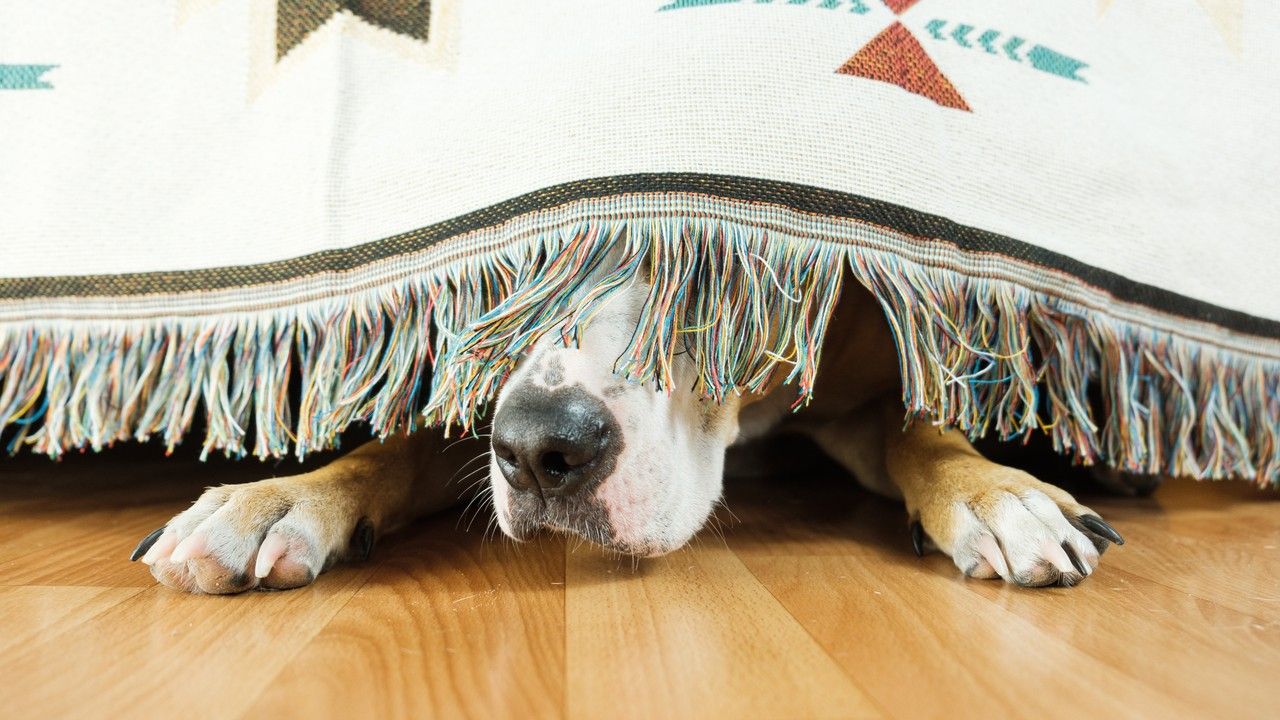
Hiding under a bed, growling or hissing at a guest, and bolting for an open door are signs of stress that are hard to miss. Other signs look like everyday behavior. Those are the ones to watch, because they often show up first.
In dogs, a stress yawn looks almost identical to a tired one, except it shows up in the middle of a party instead of at bedtime. Lip licking with no food nearby, a tight mouth, a soft whine, repeatedly lifting a front paw, or pacing near an exit can all mean your dog would rather be somewhere else.
Cats are even harder to read. A mildly stressed cat may yawn, avert their gaze, lick their lips, or groom in short bursts, all while looking outwardly calm. As things escalate, watch for ears pinned back or held out to the side, a tail wrapped tightly around the body, or a cat who suddenly stops eating.
None of these signs mean something is wrong with your dog or cat. They're communicating the same way they always do. It's just easier to miss with a house full of people. Catching pet anxiety early gives you a chance to step in before a nervous pet becomes a hiding, growling, or bolting one.
Give Your Dog or Cat a Safe Space
A designated space can do most of the stress-relief work. Pick a quiet room away from the front door and the main party area, ideally somewhere your dog or cat already feels comfortable. Close the door so guests, kids, and other pets can't wander in. If your dog settles better when they can see you, a baby gate works too.
You can add a few things that enhance their safe space:
Their usual bed or blanket, something that already smells familiar
Fresh water within easy reach
A couple of favorite toys or long-lasting chews
Calming music or white noise to mask chatter and laughter coming from the party
Cats feel safest up high or tucked away. A cat tree, a covered bed, or even a cardboard box gives them both. Keep their litter box in the room too, so they don't have to cross the party to use it. Check in every so often, but don't force interaction if they'd rather stay put. If you're expecting guests who haven't met your dog or cat before, it's worth mentioning ahead of time that they may want space, not attention.
For pets who get overwhelmed no matter how well you set up a quiet room, boarding for the day or overnight is worth considering. It keeps them in a calm, supervised environment while you host, which can be easier than trying to manage a big gathering and pet anxiety at the same time. Learn more about holiday dog and cat boarding at Zionsville Country Kennel in Zionsville, IN.
Holiday Noise, Fireworks, and New Year's Eve
Holiday noise goes well past the doorbell. Clanging pans, a room full of laughter, party poppers, and then New Year's Eve fireworks or noisemakers that can go on for hours. Fireworks are one of the most common triggers of dog anxiety, and plenty of cats find them just as frightening. Cats usually handle fireworks by hiding under a bed or in the back of a closet. Let them stay there. Pulling a scared cat out only adds to their stress.
A few steps before the noise starts can make the night much easier:
Keep pets inside. Bring them in well before dark, and walk dogs on a leash for bathroom breaks, even in a fenced yard.
Choose an interior room. A room with few or no windows muffles the booms and bangs. Anywhere else, close the curtains and blinds to block the flashes.
Start the white noise early. Turn on a fan, white noise, or music before the noise starts, so it's already part of the background.
Update ID and microchip info. A scared pet can slip out an open door or over a fence. Make sure their tag is current and their microchip registration has your phone number.
Offer comfort if they come to you. Calm reassurance won't make fear worse. Let them hide if they want to, and stay close if they want you there.
Keep Your Dog or Cat's Routine on Schedule
Holidays come with schedule changes for everyone in the house, but your dog or cat doesn't know you're busy cooking and greeting guests. They just know dinner's late. Feeding meals around your usual times, even if that means setting food out before guests arrive, keeps one part of their day predictable when everything else isn't.
Planning for walks, play, and meals before the holiday activity ramps up helps keep the whole day lower stress. A walk or a solid play session earlier means your dog has already burned off some energy before the house fills up, which makes it easier for them to settle once things get busy. Cats benefit from the same idea. For high-energy dogs, a morning at Zionsville Country Kennel in Zionsville before a holiday gathering lets them play all day and come home ready to nap through the party. For cats, a few minutes of wand-toy play before company arrives can take the edge off.
If your usual walk time lands right in the middle of the party, shift it earlier or later. What matters is that it still happens.
When to Talk to Your Veterinarian
Sometimes pet anxiety is more than one rough night. Call your veterinarian if your dog or cat:
Panics to the point of trembling, heavy drooling, or trying to break through doors or windows
Hurts themselves trying to escape or hide
Stays anxious long after the noise stops
Stops eating for more than a day
Struggles with fireworks or holiday noise every year, or seems worse each time
If you know the holidays are hard for your pet, talk with your veterinarian a few weeks ahead. They can put together a plan, which may include behavior strategies and, for some pets, prescription medication. You could also check with our team about whether holiday dog and cat boarding at Zionsville Country Kennel in Zionsville, IN would help on the busiest nights. It offers a calm, supervised environment while you celebrate.
A Calmer Holiday for Everyone
None of this requires a perfect plan. Learning what stress looks like for your dog or cat, giving them a place to retreat, getting ahead of the fireworks, and keeping meals and exercise close to normal covers most of it. The rest is just checking in now and then and letting them come out when they're ready.
A Calmer Holiday Season at Zionsville Country Kennel in Zionsville, IN
At Zionsville Country Kennel, our pastoral property just outside Indianapolis offers dog and cat boarding, grooming, daycare in fenced outdoor fields grouped by size and temperament, and a leash-free dog park with a lake. Whether your pet needs a day of daycare to burn off energy before guests arrive, overnight boarding through the loudest nights of the season, or a groom before the family gathering, our team keeps them supervised and comfortable while you celebrate. Visit us at 5370 S Indianapolis Rd, Whitestown, IN 46075, call us at (317) 769-6172, or email info@zionsvillekennel.com to plan your pet’s holiday stay. Please check with our team for current vaccination requirements before booking, and talk with your veterinarian if your pet’s noise anxiety needs more than a quiet place to rest.
Concerned your holiday gathering may be a little too much for your pet? Zionsville Country Kennel in Zionsville, IN offers boarding for dogs and cats who do better away from the noise. Schedule a stay or reach out to talk through what’s best for them.
Frequently Asked Questions About Holiday Pet Stress
What are the signs of stress in dogs and cats?
Dogs and cats show stress in both obvious ways and subtle ones. In dogs, watch for a stress yawn, lip licking with no food nearby, a tight mouth, a soft whine, repeatedly lifting a front paw, or pacing near an exit. Cats may yawn, avert their gaze, lick their lips, or groom in short bursts. As stress builds, look for ears pinned back, a tail wrapped tightly around the body, or a sudden loss of appetite.
What does it mean when my dog yawns a lot?
A yawn doesn't always mean your dog is tired. If your dog yawns over and over in a busy or unfamiliar situation, like a room full of guests, it's often a sign of stress. Look at what else is going on. Lip licking, a tight mouth, or pacing alongside the yawning usually means your dog needs a break.
How do I keep my dog or cat calm during a holiday party?
Give them a quiet space of their own. Pick a room away from the front door and the main party area, ideally somewhere they already feel comfortable, and close the door so guests can't wander in. If your dog settles better when they can see you, a baby gate works too. Add their usual bed or blanket, fresh water, a couple of favorite toys or a long-lasting chew, and calming music or white noise to mask the party.
How do I keep my cat calm when guests visit?
Set up a quiet room before anyone arrives, with food, water, a litter box, and somewhere to hide or perch up high. Ask guests not to pick up or follow your cat and let them come out on their own terms.
How do I calm my dog or cat during New Year's Eve fireworks?
Bring them inside before dark and set them up in an interior room with the curtains closed, away from the noisemakers and any fireworks nearby. Start white noise or music before the noise starts, and make sure their ID tag and microchip info are current in case they bolt. If they come to you for comfort, it's okay to reassure them calmly.
Should I keep my dog or cat's schedule the same during the holidays?
Yes. Feed meals around your usual times, even if that means setting food out before guests arrive. Fit in a walk or play session before the activity ramps up, too. Keeping these parts of the day predictable makes it easier for them to settle once things get busy.
Should I board my dog or cat during a holiday party?
It's worth considering for pets who don't settle even with a quiet room to retreat to. Boarding keeps them in a calm, supervised environment while you host, which can be easier than managing a big gathering and an anxious pet at the same time.
When should I see a vet for my dog or cat's anxiety?
Call your veterinarian if your pet panics to the point of injury, stays anxious long after the noise stops, stops eating for more than a day, or struggles with noise every year. Booking a visit a few weeks before the holidays gives your vet time to build a plan.
Can my dog take anxiety medication for fireworks?
Yes, for some dogs. Veterinarians can prescribe medications for noise-related anxiety, and a few are made specifically for events like fireworks. Your dog needs an exam first, and many of these medications work best when they're started before the noise begins, so plan ahead. Never give your dog human medication or a prescription meant for another pet.
Sources
ASPCA. "Canine Body Language." ASPCA. https://aspcapro.org/sites/default/files/canine-body-language-aspca.pdf
ASPCA. (2024). "Feline Fear Scale." ASPCA. https://www.aspcapro.org/sites/default/files/2024-06/aspca-feline-fear-scale.docx
American Animal Hospital Association. (2024). "Paws and Celebrate: Pet Holiday Party Tips." AAHA. https://www.aaha.org/resources/paws-and-celebrate-pet-holiday-party-tips/
Cornell University. (2017). "Holiday Pet Safety Tips." Cornell Chronicle. https://news.cornell.edu/node/295451
American Animal Hospital Association. "Preparing to Celebrate a Pet-Safe New Year's Eve." AAHA. https://www.aaha.org/resources/preparing-to-celebrate-a-pet-safe-new-years-eve/
Cornell University College of Veterinary Medicine. "Fear of Fireworks and Thunderstorms." Riney Canine Health Center. https://www.vet.cornell.edu/departments-centers-and-institutes/riney-canine-health-center/canine-health-topics/fear-fireworks-and-thunderstorms
American Veterinary Medical Association. "Winter Holiday Pet Safety." AVMA. https://www.avma.org/resources-tools/pet-owners/petcare/holiday-pet-safety